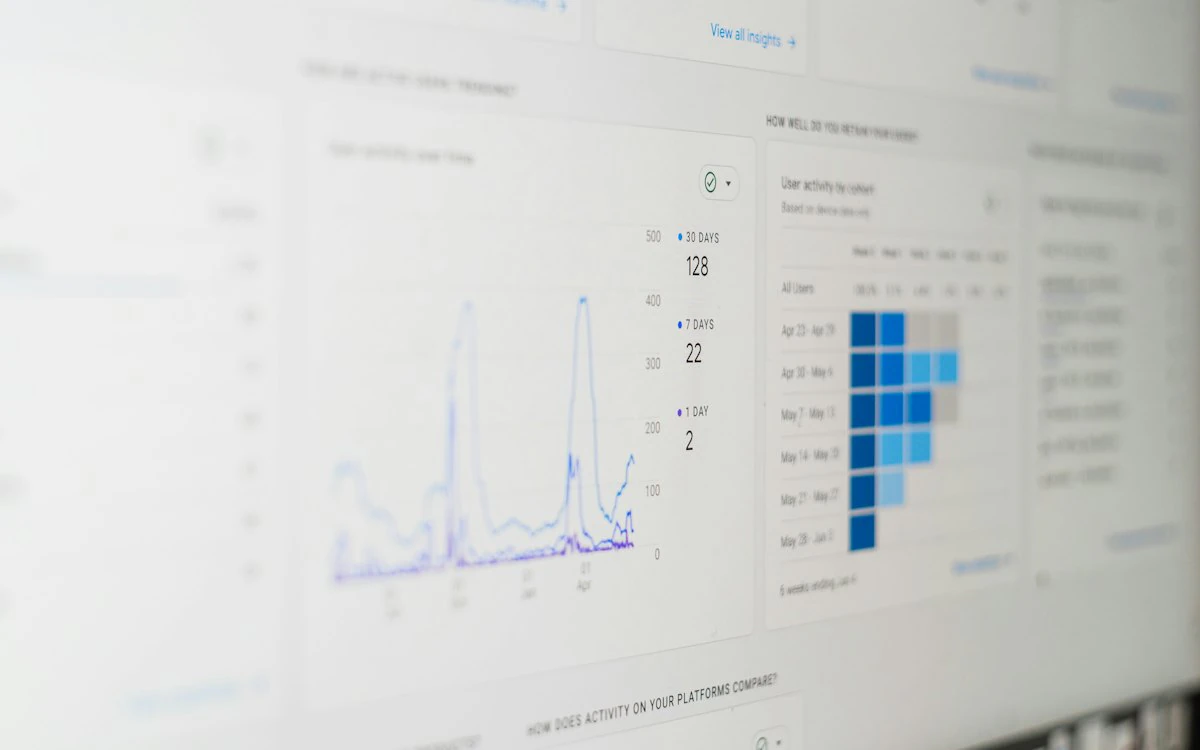
Marketing teams today have access to more data than ever.
Google Ads reports campaign performance. Analytics platforms track website activity. SEO tools measure organic visibility. Social platforms provide engagement data. Email platforms track opens and clicks. CRM systems contain leads, opportunities, pipeline, and revenue information.
The challenge isn't collecting marketing data.
The challenge is turning all that data into a clear understanding of what the business should do next.
This is where a marketing intelligence platform comes in.
A marketing intelligence platform brings data from multiple marketing sources into a connected environment, analyzes that data, identifies important trends and problems, and helps marketing teams understand what is happening across their marketing.
Modern platforms increasingly use artificial intelligence to go beyond dashboards and reporting. Instead of simply showing numbers, they can help answer questions, identify anomalies, surface opportunities, and recommend where teams should focus their attention.
In simple terms:
A marketing intelligence platform turns fragmented marketing data into actionable business intelligence.
This guide explains what a marketing intelligence platform is, how it works, its key features, benefits, use cases, and what businesses should look for when choosing one.
What Is Marketing Intelligence?
Before understanding a marketing intelligence platform, it helps to understand marketing intelligence itself.
Marketing intelligence is the process of collecting, connecting, analyzing, and interpreting marketing data to help businesses make better decisions.
Traditional marketing reporting often answers:
What happened?
Marketing intelligence aims to answer a broader set of questions:
- What is happening?
- What is working?
- What is not working?
- Why is it happening?
- What should we do next?
For example, a traditional report might tell a CMO:
Paid advertising spend increased by 18%.
Marketing intelligence goes further:
Paid advertising spend increased by 18%, but qualified pipeline increased only 5%. The majority of the additional spend came from campaigns with declining conversion efficiency.
The second statement is much more useful for decision-making.
What Is a Marketing Intelligence Platform?
A marketing intelligence platform is software that helps businesses collect marketing data from multiple sources, unify it, analyze performance, and turn that information into actionable insights.
Instead of asking marketers to manually move between different dashboards, a marketing intelligence platform creates a more connected view of marketing performance.
Depending on the platform, data can come from sources such as:
- Google Ads
- Meta Ads
- LinkedIn Ads
- YouTube Ads
- Google Analytics
- Google Search Console
- Social media
- Email marketing platforms
- Outbound tools
- CRM systems
The platform then brings this information together so marketers and business leaders can understand performance across channels.
Why Do Businesses Need a Marketing Intelligence Platform?
Marketing technology has become increasingly fragmented.
A typical marketing team may use separate tools for:
- Paid advertising
- SEO
- Website analytics
- Social media
- Outbound
- CRM
- Reporting
Each platform has its own dashboard.
Each dashboard has different metrics.
Each system may define performance differently.
This creates a familiar problem:
The business has plenty of data but no single, reliable view of what that data means.
Marketing intelligence platforms are designed to address this problem.
The Problem With Marketing Data Silos
Imagine a company running campaigns across Google, Meta, and LinkedIn.
The marketing manager wants to answer one simple question:
Which channel is generating the best business results?
To answer it, they may need to:
- 1.Check Google Ads.
- 2.Check Meta Ads.
- 3.Check LinkedIn Ads.
- 4.Check Google Analytics.
- 5.Open the CRM.
- 6.Export lead data.
- 7.Match campaign names.
- 8.Build a spreadsheet.
- 9.Compare costs.
- 10.Calculate performance.
- 11.Create a report.
By the time the analysis is complete, the underlying data may already have changed.
A marketing intelligence platform can reduce this fragmentation by connecting the relevant data sources into a common environment.
How Does a Marketing Intelligence Platform Work?
Although platforms differ in their implementation, the process generally follows several stages.
1. Connect Marketing Data Sources
The first step is connecting the platforms where marketing data lives.
For example:
Paid
- Google Ads
- Meta Ads
- LinkedIn Ads
- YouTube Ads
Organic
- Google Analytics
- Search Console
- Social platforms
Email and outbound
- Mailchimp
- Brevo
- Instantly
- Other marketing automation tools
Customer data
- CRM
The goal is to create a connected data foundation.
2. Unify the Data
Different platforms use different structures and terminology.
One platform might call something a conversion.
Another might call it a lead.
A CRM might classify that lead as an opportunity.
A marketing intelligence platform needs to provide a consistent view of performance.
This is where data unification becomes important.
3. Analyze Performance
Once the data is connected, the platform can analyze metrics across channels.
This can include:
- Spend
- Leads
- Conversions
- CPA
- ROAS
- Traffic
- Engagement
- Email performance
- Pipeline
- Revenue
But good marketing intelligence isn't simply about displaying these numbers.
The objective is to understand their relationships.
4. Identify Trends and Problems
A marketing intelligence platform can help identify:
- Performance changes
- Declining conversion rates
- Increasing acquisition costs
- Strong-performing campaigns
- Budget inefficiencies
- Channel opportunities
- Unusual activity
This helps teams find important information faster.
5. Turn Analysis Into Insights
The next stage is interpretation.
Instead of simply saying:
"CPA increased."
The system should help marketers understand:
"CPA increased primarily because conversion rates declined in two high-spend campaigns."
This provides context.
6. Support Decisions
The final objective is action.
Marketing intelligence should help answer:
What should we do next?
For example:
- Review an underperforming campaign.
- Increase investment in a strong-performing channel.
- Investigate a sudden traffic decline.
- Reallocate budget.
- Examine lead quality.
- Review landing-page performance.
Marketing Intelligence Platform vs Marketing Analytics Platform
The two terms are often used interchangeably, but there is an important distinction.
A marketing analytics platform primarily focuses on:
- Measurement
- Reporting
- Dashboards
- Trends
- Performance analysis
A marketing intelligence platform typically adds:
- Cross-channel context
- Business interpretation
- Proactive insights
- AI-assisted analysis
- Recommendations
- Decision support
A simple way to think about it:
Analytics = understanding the numbers
Intelligence = using the numbers to understand what matters
Both are valuable.
Marketing analytics is often a core component of marketing intelligence.
Key Features of a Marketing Intelligence Platform
Different platforms offer different capabilities, but several features are particularly important.
1. Cross-Channel Data Integration
The platform should connect the marketing channels that matter to your business.
This prevents teams from having to manually combine data from multiple systems.
2. Unified Marketing Dashboard
A unified dashboard provides a single place to understand marketing performance.
Instead of opening multiple platforms, teams can see:
- Paid performance
- Organic performance
- Email performance
- Lead performance
- Pipeline
- Overall marketing health
in one environment.
3. Marketing Health Score
Some marketing intelligence platforms provide an overall score or indicator of marketing health.
The purpose is simple:
Give leaders a quick understanding of whether marketing is performing well before they dive into individual metrics.
This can be particularly useful for executives who don't need to inspect every campaign.
4. AI-Powered Insights
Artificial intelligence can analyze large amounts of marketing data much faster than manual analysis.
AI can help identify:
- Trends
- Anomalies
- Opportunities
- Performance changes
- Underperforming campaigns
- Potential budget inefficiencies
This moves marketing reporting toward proactive intelligence.
5. Natural-Language Questions
One increasingly important feature is the ability to ask questions in plain English.
For example:
"Which channel generated the most qualified leads this month?"
Or:
"Which campaigns are losing efficiency?"
Or:
"What changed in our marketing performance this week?"
Instead of manually building filters and reports, users can ask questions directly.
6. Proactive Insights
Traditional dashboards usually wait for users to find problems.
Proactive intelligence works differently.
The system can surface issues automatically.
For example:
Campaign efficiency declining
CPA increased significantly over the last seven days.
This helps teams focus on important changes instead of constantly monitoring every dashboard.
7. CRM and Pipeline Integration
Marketing metrics are much more useful when they can be connected to business outcomes.
A platform that connects marketing performance with CRM data can help answer:
- Which campaigns generate opportunities?
- Which channels produce qualified leads?
- Which campaigns contribute to pipeline?
- Which marketing sources lead to revenue?
This is especially important for B2B organizations.
8. Automated Reporting
Marketing teams often spend significant time preparing weekly and monthly reports.
Marketing intelligence platforms can automate this process.
Reports can be generated for:
- CEOs
- CMOs
- Marketing teams
- Sales teams
- Clients
- Boards
This allows teams to spend less time formatting reports and more time analyzing performance.
9. Multi-Brand or Multi-Client Support
Agencies and companies managing multiple brands need more than a single marketing dashboard.
Multi-brand workspaces can help separate:
- Data
- Budgets
- Campaigns
- Performance
- Reports
while allowing teams to manage everything from one environment.
What Questions Should a Marketing Intelligence Platform Answer?
The best way to evaluate a platform isn't simply by looking at its feature list.
Start with the questions it should answer.
What is happening?
You should be able to understand your current marketing performance.
What is working?
You should be able to identify successful campaigns, channels, and activities.
What is not working?
You should be able to find performance problems before they become expensive.
Why is it happening?
The platform should help interpret changes rather than simply display them.
What should we do next?
The final objective should be actionable direction.
These five questions provide a useful framework for evaluating marketing intelligence software.
Benefits of Using a Marketing Intelligence Platform
1. One View of Marketing Performance
Instead of working across multiple disconnected dashboards, teams can access a unified view.
This creates greater visibility.
2. Less Manual Reporting
Automated data collection and reporting can reduce repetitive work.
Marketing teams can spend less time:
- Copying data
- Building spreadsheets
- Updating slides
- Formatting reports
and more time optimizing marketing.
3. Faster Time to Insight
When data is already connected, marketers don't have to spend hours collecting it before analysis begins.
This can accelerate decision-making.
4. Better Budget Allocation
Marketing intelligence can help identify where spending is generating stronger results and where efficiency may be declining.
This creates a stronger basis for budget decisions.
5. Better Alignment Between Marketing and Leadership
Marketing teams and executives can work from the same performance view.
Instead of debating whose spreadsheet is correct, everyone can work from a shared source of information.
6. Earlier Problem Detection
Proactive monitoring can help identify unusual changes before they become larger problems.
For example:
- Sudden CPA increases
- Conversion declines
- Traffic drops
- Campaign efficiency changes
7. Stronger Connection Between Marketing and Revenue
When marketing data is connected to CRM and pipeline information, businesses can move beyond surface-level metrics.
Instead of asking:
How many leads did marketing generate?
they can ask:
How much qualified pipeline did marketing contribute?
Who Uses Marketing Intelligence Platforms?
Marketing intelligence isn't only for CMOs.
Different teams can use it for different purposes.
CEOs and Business Leaders
Executives typically want a high-level answer:
Is marketing performing well?
They need visibility into:
- Marketing health
- Revenue
- Pipeline
- Budget
- ROI
without navigating dozens of dashboards.
CMOs and Marketing Heads
Marketing leaders need deeper visibility.
They may want to know:
- Which channels are performing?
- Where should budget move?
- What needs attention?
- What is changing?
- How is the team performing?
Marketing Managers
Managers often need campaign-level intelligence.
They can use the platform to identify:
- Underperforming campaigns
- High-performing campaigns
- Conversion changes
- Budget inefficiencies
- Opportunities
Agencies
Agencies managing multiple clients can use marketing intelligence platforms to centralize reporting and performance monitoring across accounts.
Marketing Intelligence for Agencies
Agencies have a particularly difficult reporting problem.
A single agency might manage:
- Google Ads
- Meta Ads
- SEO
- Social media
- CRM
- Multiple clients
Creating individual reports for every client can consume significant time.
A marketing intelligence platform can centralize client performance and simplify reporting.
Multi-brand or multi-client functionality becomes particularly useful here.
Marketing Intelligence and AI
Artificial intelligence is changing the role of marketing intelligence platforms.
Traditional systems primarily help users find information.
AI-powered systems can increasingly help users understand information.
For example, instead of manually comparing campaign performance, an AI system can identify:
"Three campaigns account for most of this month's increase in acquisition cost."
That creates a different workflow.
Instead of:
Dashboard → Search → Filter → Compare → Interpret
the workflow becomes:
Question → AI analysis → Insight → Decision
What Makes an AI Marketing Intelligence Platform Different?
AI alone doesn't make a marketing intelligence platform useful.
The quality of the intelligence depends on the underlying data.
A strong system needs:
Connected data
The AI needs access to relevant marketing information.
Reliable data
Incorrect or incomplete data creates unreliable conclusions.
Business context
The system needs to understand what the metrics represent.
Clear outputs
Insights need to be understandable to marketers and business leaders.
Actionability
The output should help users determine what deserves attention.
This is why AI + connected marketing data is more valuable than simply adding a chatbot to a dashboard.
Marketing Intelligence vs Business Intelligence
Marketing intelligence and business intelligence are related but have different scopes.
Business intelligence generally covers data across the organization.
This can include:
- Finance
- Operations
- Sales
- Customer service
- Supply chain
Marketing intelligence focuses specifically on marketing performance and its connection to business outcomes.
A marketing intelligence platform may therefore sit between marketing systems and broader business decision-making.
How to Choose a Marketing Intelligence Platform
Before choosing a platform, consider the following questions.
1. Does it connect your existing tools?
Don't choose a platform based only on its dashboard.
Check whether it can connect the data sources your team actually uses.
2. Does it provide cross-channel visibility?
If your team uses five different marketing channels, a platform that only analyzes one channel may not solve the core problem.
3. Can it connect marketing to CRM data?
For organizations focused on pipeline and revenue, this can be critical.
4. Does it provide actionable insights?
Ask whether the platform only shows metrics or helps explain them.
5. Can users ask questions naturally?
Natural-language interfaces can reduce the complexity of analyzing marketing data.
6. Can it automate reporting?
Look for executive summaries, custom reports, scheduling, and easy sharing.
7. Does it support multiple brands or clients?
This matters particularly for agencies and portfolio businesses.
8. Is it designed for marketers?
The system shouldn't require a data analyst for every question.
Marketing leaders and teams should be able to use it without needing advanced technical skills.
QuikInsight as an AI-Powered Marketing Intelligence Platform
QuikInsight is designed specifically around the problem of fragmented marketing data.
It brings paid, organic, email, outbound, and CRM data into a connected view and uses AI to help marketers understand performance.
The platform is designed around five questions:
What is happening?
What is working?
What is not working?
Why is it happening?
What should we do next?
This approach moves marketing teams beyond simply collecting reports.
QuikInsight provides capabilities including:
- Unified growth dashboard
- Paid marketing intelligence
- Organic marketing intelligence
- Email and outbound intelligence
- Leads and pipeline visibility
- Ask AI
- Proactive insights
- Executive reports
- Custom reports
- Multi-brand workspace
The objective is simple:
Turn marketing data into decisions.
The Future of Marketing Intelligence
Marketing teams are moving toward a world where simply having dashboards isn't enough.
The next generation of marketing platforms will increasingly focus on:
- Connected data
- AI-assisted analysis
- Proactive insights
- Natural-language interfaces
- Revenue visibility
- Automated reporting
- Decision support
This changes the role of marketing reporting.
Instead of asking teams to spend hours interpreting what happened, platforms can increasingly help them understand what matters.
The future isn't necessarily about having more dashboards.
It's about having better answers.
Frequently Asked Questions
What is a marketing intelligence platform?
A marketing intelligence platform is software that connects marketing data from multiple sources, analyzes performance, identifies insights, and helps businesses make better marketing decisions.
What is the difference between marketing intelligence and marketing analytics?
Marketing analytics focuses primarily on measuring and analyzing marketing data. Marketing intelligence extends this analysis by adding context, insights, and decision support.
What data can a marketing intelligence platform connect?
Depending on the platform, it may connect advertising, analytics, SEO, social media, email, outbound, and CRM data.
Is a marketing intelligence platform the same as a dashboard?
No. A dashboard primarily displays information. A marketing intelligence platform aims to analyze information and help users understand what it means and what action may be appropriate.
Can AI be used in marketing intelligence?
Yes. AI can analyze marketing data, identify patterns, detect anomalies, answer natural-language questions, summarize performance, and surface potential opportunities.
Do small businesses need marketing intelligence software?
Not every small business needs sophisticated marketing intelligence software. It becomes increasingly valuable as the number of marketing channels, data sources, campaigns, and reporting requirements grows.
Why should marketing data connect to CRM data?
Connecting marketing and CRM data helps businesses understand not just how many leads marketing generates, but whether those leads become qualified opportunities, pipeline, and revenue.
Conclusion
A marketing intelligence platform is more than another marketing dashboard.
It is designed to help businesses move from fragmented data to connected understanding.
Traditional marketing reporting tells you what happened.
Marketing analytics helps you investigate the numbers.
Marketing intelligence adds context and helps identify what matters.
AI-powered marketing intelligence takes this further by helping teams analyze data faster, ask questions naturally, detect important changes, and focus their attention where it can have the greatest impact.
For modern marketing teams, the goal shouldn't be to collect more data.
The goal should be to turn the data they already have into better decisions.
That is the role a modern marketing intelligence platform can play.
And that is the problem QuikInsight is built to solve.
Turn Your Marketing Data Into Intelligence
See how QuikInsight brings your marketing channels together, uses AI to analyze performance, and helps your team understand what is happening, what is working, and what to do next.
Start making smarter marketing decisions with QuikInsight.
See it running on your business.
A walkthrough built around how your team works today.